Apigenin has quietly become one of the most talked-about natural sleep compounds, but most people get the dose wrong before they ever give it a fair shot. Here's what the evidence and real-world use actually support — in plain milligrams, not marketing hype.
What Apigenin Actually Does
Apigenin is a flavonoid found naturally in chamomile, parsley, and celery, and it's become one of the more popular standalone sleep supplements over the past few years. Unlike melatonin, it doesn't reset your circadian clock directly. Instead, research suggests apigenin binds to GABA-A receptors in the brain, the same receptor family targeted by prescription benzodiazepines, but far more gently. This is likely why chamomile tea has been used as a mild sedative for centuries — apigenin appears to be the active compound behind much of that calming effect.
The appeal for sleep is that apigenin may reduce the time it takes to fall asleep and promote deeper, calmer rest without the grogginess some people report from melatonin or antihistamine-based sleep aids. But 'natural' doesn't mean 'dose doesn't matter.' Getting apigenin dosing wrong is the most common reason people say it 'did nothing' for them.
The Short Answer: How Much Apigenin to Take
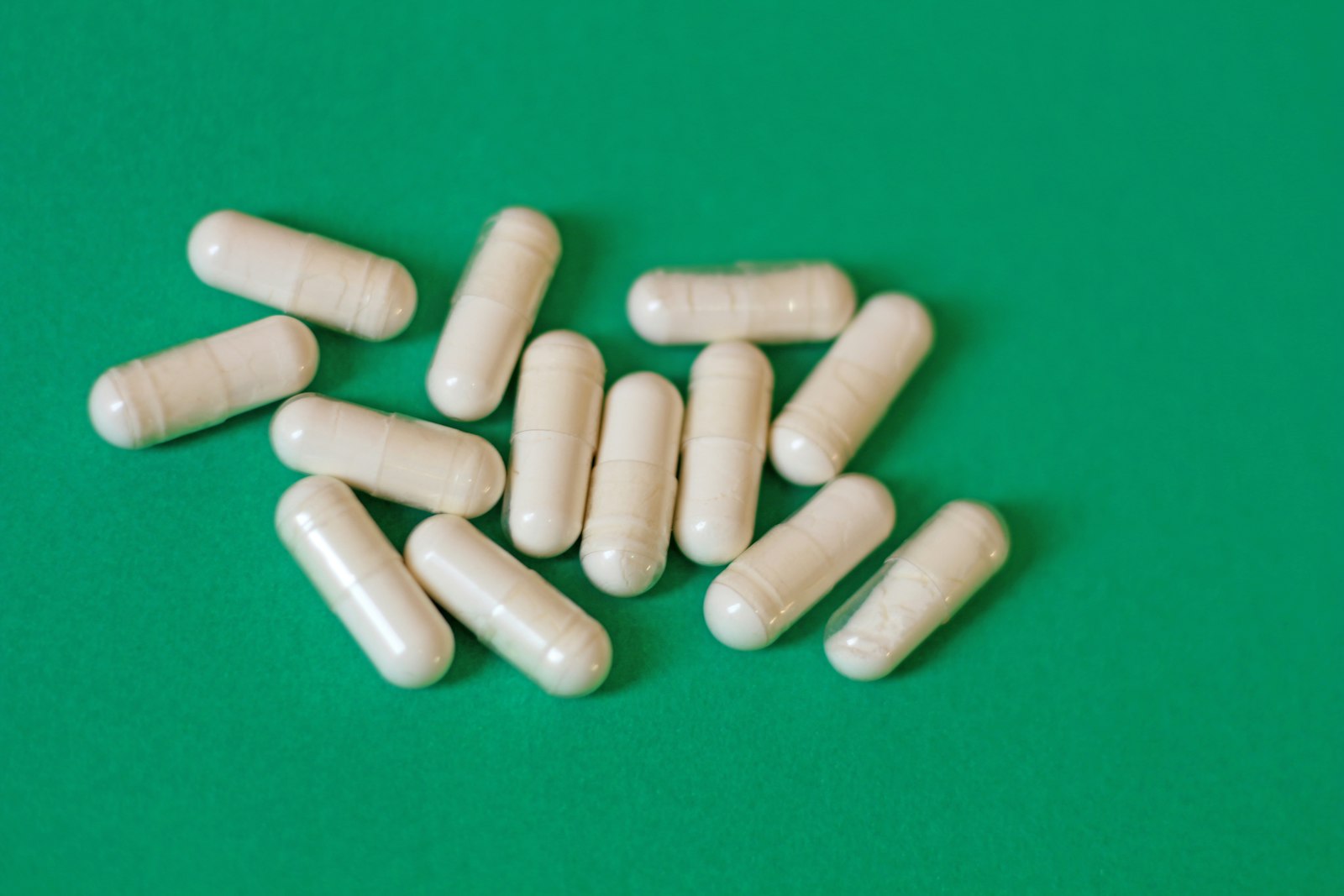
Most human-relevant research and supplement formulations land in the 50mg range for sleep support, typically taken 30-60 minutes before bed. This is the dose most commonly used in standalone apigenin capsules and in multi-ingredient sleep stacks that pair it with magnesium, glycine, or L-theanine.
Some products use lower doses (20-30mg) as part of a blend where apigenin is a supporting ingredient rather than the primary driver. A smaller number of formulations go up to 100mg for people who feel minimal effect at lower doses. There isn't strong evidence that going meaningfully higher than 50-100mg improves results — this appears to be one of those compounds where more isn't proportionally better, and higher doses simply increase the odds of next-day drowsiness.
| Use Case | Typical Dose | Timing |
|---|---|---|
| First-time users | 25-50mg | 30-60 min before bed |
| Standard sleep support | 50mg | 30-60 min before bed |
| Stacked with other sleep aids | 20-30mg | Alongside magnesium or L-theanine |
| Higher-need dosing | 75-100mg | Only after testing lower doses first |
Timing Matters More Than People Think
Apigenin isn't instant. Give it 30 to 60 minutes to take effect before you actually need to be asleep — taking it the moment you get into bed is too late for most people to feel the full benefit. It also has a relatively short half-life compared to melatonin, which is part of why many users report waking up feeling clear-headed rather than foggy.
Taking it earlier in the evening, say with dinner, generally doesn't work as well for sleep onset since the effect fades before bedtime. If you're also using it to wind down from evening anxiety or screen-related stress, a dose closer to your actual wind-down routine — not your bedtime alarm — tends to work best.
Find Standalone Apigenin Capsules
iHerb carries a wide range of apigenin supplements at the commonly studied 50mg dose, with transparent third-party testing info and competitive pricing versus big-box retailers.
Shop Apigenin on iHerb →
Capsules vs. Powder vs. Chamomile Extract
Apigenin shows up in three main forms on the market. Standalone capsules are the most precise option — you know exactly how many milligrams you're getting, which matters for a compound where dosing consistency affects results. Powdered apigenin, often sold in bulk for those who want to titrate their own dose, offers flexibility but requires a milligram scale for accuracy since kitchen measuring spoons aren't precise enough.
The third option is chamomile extract standardized for apigenin content. These products list a percentage (for example, a chamomile extract standardized to 1.2% apigenin) rather than pure milligrams, which means you have to do some math to know your actual apigenin intake. If a label doesn't clearly state the apigenin content in milligrams, it's worth avoiding for dosing purposes — you can't optimize what you can't measure.
Stacking Apigenin With Other Sleep Compounds
Apigenin is commonly combined with magnesium glycinate, L-theanine, or glycine in multi-ingredient sleep formulas, and for good reason — these compounds work through different mechanisms, so the effects can be complementary rather than redundant. Magnesium supports nervous system relaxation, L-theanine promotes alpha brain wave activity associated with calm wakefulness, and apigenin works on GABA receptors.
If you're building your own stack rather than buying a pre-formulated blend, a reasonable starting point is 50mg apigenin, 200mg magnesium glycinate, and 100-200mg L-theanine, all taken together 30-60 minutes before bed. Start with apigenin alone for a few nights first if you're new to it, so you understand its individual effect before adding other compounds that could mask or amplify it.
Compare Apigenin Sleep Formulas
Browse apigenin-based sleep supplements and multi-ingredient stacks with transparent labeling and verified customer reviews.
Shop on Amazon →Safety, Side Effects, and Who Should Be Cautious
Apigenin is generally well tolerated at standard doses, and serious adverse effects are rare in the available research. That said, it's not risk-free for everyone. Because it interacts with GABA receptors, it shouldn't be combined with alcohol, benzodiazepines, or other sedative medications without talking to a doctor first, as the combined sedative effect can be stronger than expected.
Mild next-day drowsiness is the most commonly reported side effect, usually tied to taking too high a dose or taking it too late relative to wake time. Apigenin also has a known affinity for estrogen receptors in lab studies, so anyone with hormone-sensitive conditions, who is pregnant, or who is breastfeeding should check with a healthcare provider before use. As with any supplement, people on prescription medications — particularly anything metabolized through the CYP enzyme pathways in the liver — should confirm there's no interaction risk.
- Avoid combining with alcohol or sedative medications
- Start at 25-50mg to assess personal tolerance
- Check with a doctor if pregnant, breastfeeding, or hormone-sensitive
- Discontinue if you notice persistent next-day grogginess
How to Find Your Personal Dose
The most reliable approach is to start low and adjust based on how you actually feel — not based on what the loudest marketing claims promise. Begin with 25-50mg thirty to sixty minutes before bed for three to five nights. If sleep onset and quality improve without next-day grogginess, that's likely your effective dose. If you notice minimal change, a step up to 75-100mg is reasonable before concluding apigenin isn't a fit for you.
Keep a simple sleep log — time taken, time to fall asleep, number of wake-ups, and how you felt in the morning. This kind of basic tracking removes the guesswork and makes it much easier to tell whether apigenin, or any stack you build around it, is actually earning its place in your nightly routine.
Try a Pre-Dosed Apigenin Sleep Formula
Skip the guesswork with a formulated blend that pairs clinically-relevant apigenin dosing with complementary calming compounds in one capsule.
Explore System Labs Formulas →From across the network
More from the network on related topics: VitaminSupplyCenter · EliteRecoveryLab · HumanBioSignals.