Not all "white noise" is created equal — a mechanical fan and a digital sound machine mask disruptive noise through completely different physics, and choosing the wrong one for your bedroom can leave you just as fragmented as before. Here's what the evidence actually says.
Why White Noise Actually Works
Sleep isn't disrupted by loud sounds alone — it's disrupted by sudden changes in sound. A car door slamming, a partner's snore breaking rhythm, a neighbor's late-night footsteps: these acoustic spikes trigger micro-arousals that fragment sleep architecture even when you don't consciously wake up. White noise, and its cousins pink and brown noise, work by masking those spikes with a constant, predictable sound floor.
Research on auditory masking consistently shows that steady-state broadband sound reduces the number of awakenings caused by environmental noise, particularly in urban environments and shared bedrooms. The mechanism isn't magic — it's simple signal-to-noise math. If the background hum is louder and more consistent than the disruption, your brain has less contrast to react to.
Real Fan vs. Digital Machine: The Core Debate
Every white noise shopper eventually hits the same fork in the road: buy an actual mechanical fan, or buy a purpose-built digital sound machine. Both produce broadband noise, but the physics — and the listening experience — differ more than most buying guides admit.
A real fan produces noise through genuine mechanical air movement. The sound is inherently full-spectrum, slightly irregular, and includes low-frequency air turbulence that many sleepers find more organic and less fatiguing over an 8-hour stretch. Fans also do double duty: air circulation and a cooler sleeping surface, which independently supports better sleep quality since core body temperature drop is part of the sleep-onset process.
Digital machines generate looped or synthesized audio through a speaker. Modern units offer far more control — you can select pink noise, brown noise, ocean loops, or rain, adjust the exact frequency balance, set timers, and keep volume low without losing masking effectiveness. The tradeoff is that cheap speakers can produce a subtly repetitive loop that some light sleepers start to notice after a few weeks, and looped audio can have a faint 'seam' where the track restarts.
When a Real Fan Wins
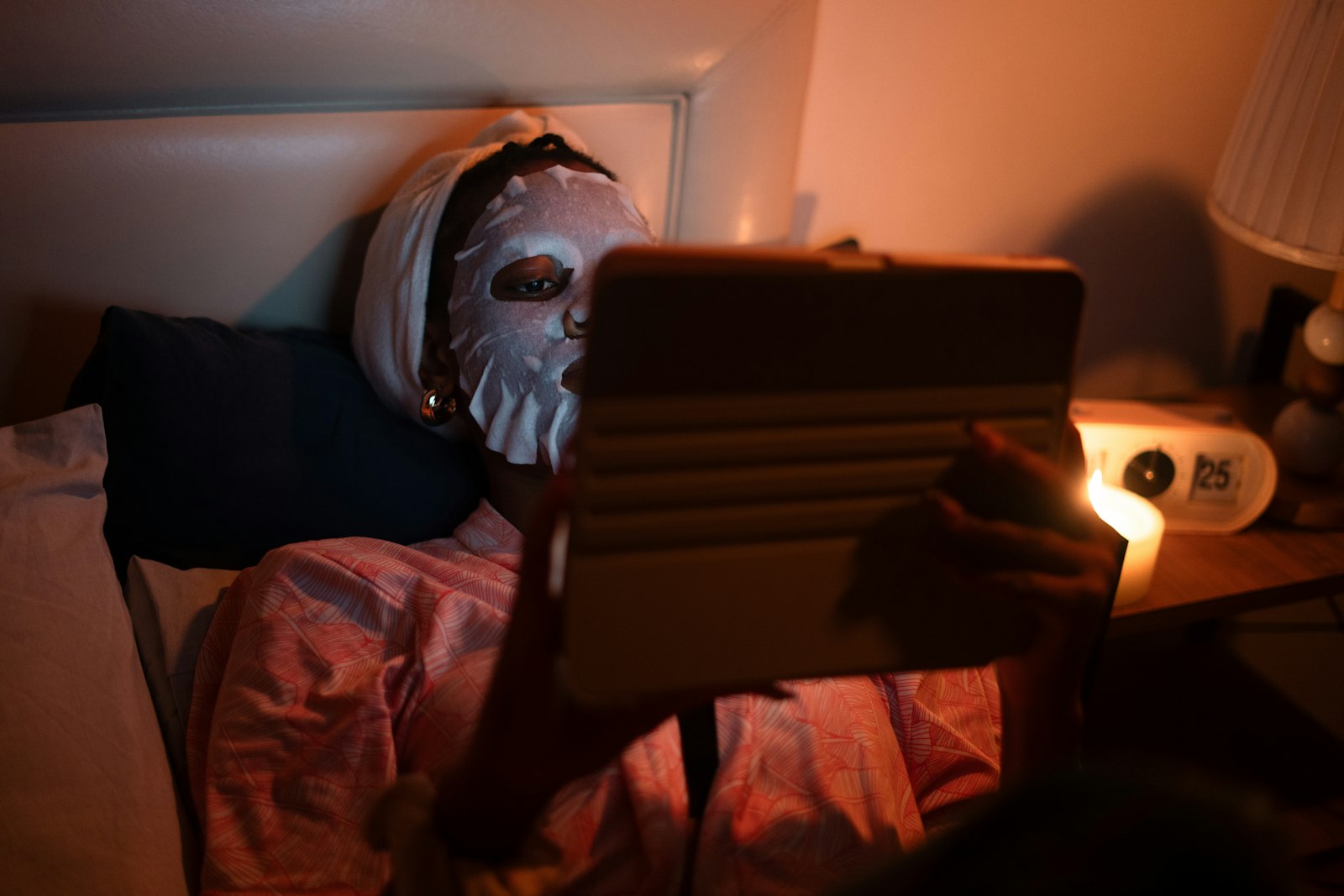
If you run warm at night, share a bedroom, or live somewhere humid, a real fan's dual function (cooling + masking) is hard to beat. The sound is never perfectly identical loop-to-loop, which some researchers believe makes it easier for the brain to habituate to and tune out. Fans also tend to be simpler mechanically, with fewer things to fail, and no software or app dependency.
When a Digital Machine Wins
If you need precise control — a specific frequency profile for tinnitus masking, a timer that shuts off after your child falls asleep, or non-fan sounds like rain or brown noise for infant sleep — a digital machine is the more flexible tool. Digital units are also better suited to cold climates or minimalist bedrooms where you don't want (or need) moving air.
| Factor | Real Fan | Digital Machine |
|---|---|---|
| Sound type | Full-spectrum mechanical air noise | Looped or synthesized audio |
| Extra benefit | Air circulation, cooling | Sound variety, timers, low-volume options |
| Best for | Warm sleepers, shared rooms | Infants, tinnitus masking, travel |
| Failure points | Motor wear over years | Speaker quality, loop repetition |
| Portability | Bulkier, needs airflow space | Compact, often USB-powered |
What to Actually Look For
Regardless of which camp you land in, a few specs separate a genuinely useful sleep tool from a gimmick.
- Volume range down to roughly 40–50 decibels — loud enough to mask, not loud enough to itself become a hearing concern over years of nightly use
- True broadband or brown/pink noise options rather than a single thin 'static' setting
- No harsh high-frequency hiss — test before committing to a full return-window purchase
- Timer or continuous-play option depending on whether you want it running all night
- For fans: multiple speed settings so you can separate cooling needs from masking needs
Compare Real Fans and Sound Machines Side by Side
Amazon's sleep-audio category lets you filter by decibel range, sound library, and customer-reported noise consistency before you buy.
Shop White Noise Machines →Pairing Sound With Your Sleep Environment
A white noise machine is one layer of a sleep environment, not a total fix. It works best alongside a consistently cool, dark room and a wind-down routine that signals to your body it's time to lower cortisol and raise melatonin naturally. If you're already using a fan or sound machine and still waking at 3 a.m., the issue may not be acoustic at all — it could be a magnesium or melatonin timing gap rather than an environmental one.
Many Sleep Override readers stack a real fan for cooling and masking with a magnesium glycinate supplement in the evening, since magnesium supports the nervous system's ability to downshift into parasympathetic rest. It's a low-effort combination: the fan handles the acoustic environment, the supplement handles the physiological wind-down.
Stock Up on Evening Magnesium and Sleep Nutrients
iHerb carries a wide range of magnesium glycinate, L-theanine, and melatonin formulas that pair naturally with a quieter, cooler sleep environment.
Browse Sleep Support on iHerb →A Simple Buying Rule
If you're deciding between a real fan and a digital machine and can't test both, default to this: choose the fan if you also need cooling or live somewhere warm; choose the digital machine if you need precise, low-volume control or you're masking a specific sound like a partner's snoring or street traffic. Either choice, used consistently every single night rather than sporadically, will outperform either option used inconsistently.
Measure Whether Your Noise Setup Is Actually Working
Pair your white noise routine with objective sleep tracking to see real changes in awakenings and sleep continuity, not just guesswork.
Explore System Labs Sleep Tools →From across the network
More from the network on related topics: VitaminSupplyCenter · EliteRecoveryLab · HumanBioSignals.