🌙 Science-Backed Protocol

How to Sleep Better Naturally
(Without Feeling Groggy)

No dependency. No grogginess. No pharmaceutical haze. This is the practical, evidence-based framework for rebuilding genuine sleep quality — addressing the real upstream causes that most sleep advice ignores entirely.

The Root Problem

Why Modern Sleep Is Systematically Broken
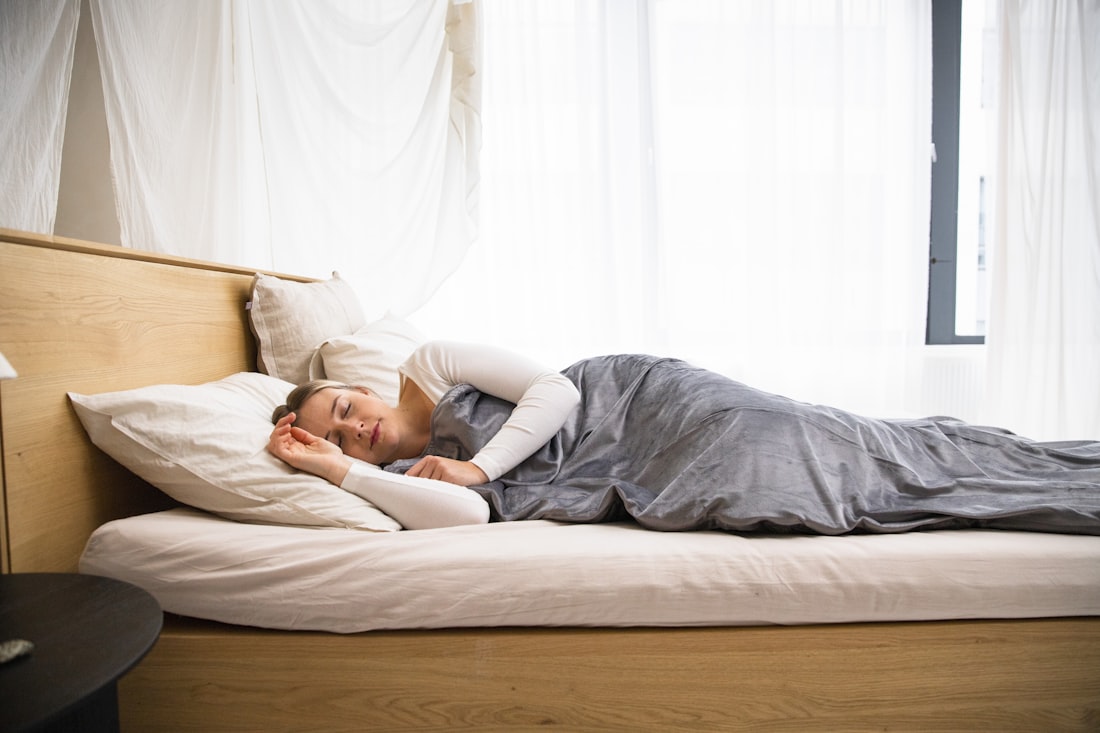
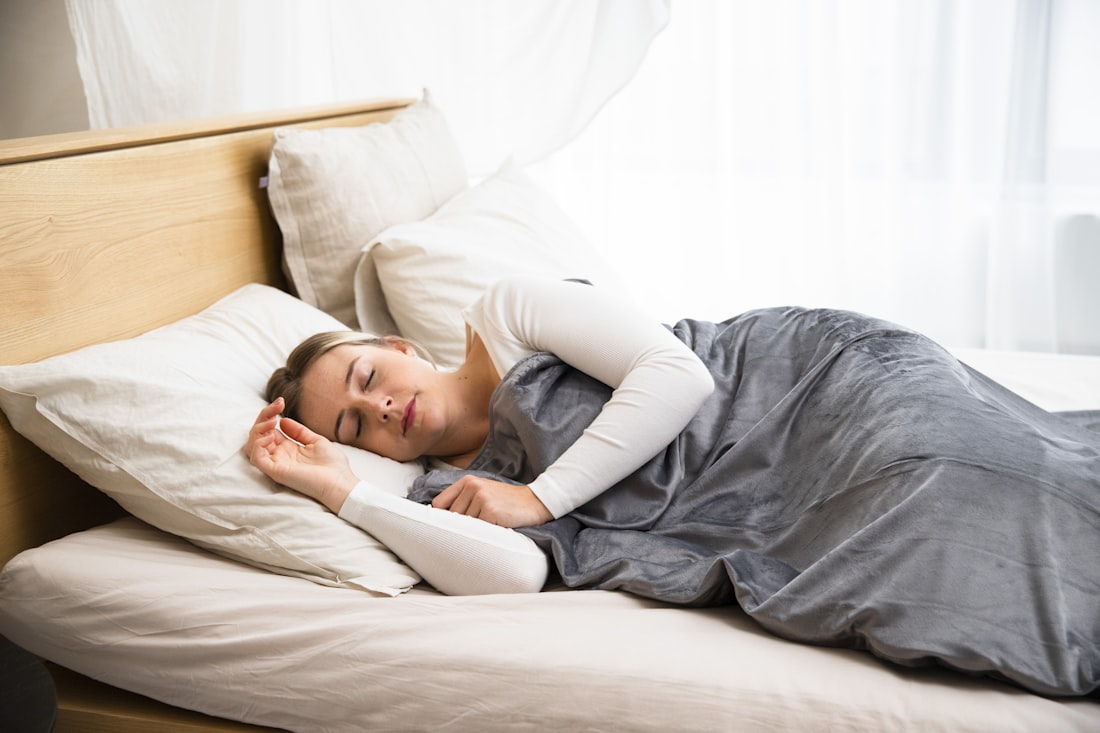
Human sleep evolved over hundreds of thousands of years in an environment governed by sunlight and darkness. Bright light in the morning triggered cortisol release and alertness. Fading light in the evening signaled the brain to begin melatonin production. Darkness completed the process. This was simple, reliable, and governed by physics.

Modern life has systematically broken every node of this system. Artificial lighting — particularly the blue-wavelength light emitted by screens, LED bulbs, and fluorescent office lighting — suppresses melatonin production at exactly the wrong time: evenings and late nights. The result is a chronically phase-delayed circadian rhythm: your biological clock is telling you it's mid-afternoon when your clock says midnight.

Simultaneously, the nature of modern work has produced a chronic stress environment that maintains HPA (hypothalamic-pituitary-adrenal) axis activation well into the evening. Cortisol — meant to peak in the morning and taper by evening — remains elevated in millions of people as they try to sleep. And the standard cultural response to sleep problems (melatonin megadoses, alcohol, Benadryl) creates dependency, impairs sleep architecture, and often makes the underlying problem worse.

The good news: every one of these problems has a specific, evidence-based solution. Understanding the mechanism makes the fix obvious.
3hrs
Blue light exposure in the evening can delay melatonin onset by up to 3 hours
26%
Reduction in sleep efficiency from even mild chronic sleep restriction (6hrs vs 8hrs)
10°F
Room temperature drop needed to facilitate sleep onset — body must lower core temp to enter sleep
6hrs
Caffeine's approximate half-life — a 3pm coffee is still 50% active at 9pm
01
Light Exposure

Light is the most powerful regulator of your circadian clock. Morning bright light (ideally 10,000 lux within the first hour of waking) anchors your cortisol awakening response at the right time, which in turn ensures melatonin production begins 14–16 hours later — right when you need to sleep.

Evening light management is equally important. The ipRGC cells in your retina that detect light for circadian signaling are particularly sensitive to 480nm wavelength (blue) light. Standard phone and monitor screens are heavy emitters. Reducing screen exposure in the 90–120 minutes before bed is not optional if you want natural melatonin production — it's physiologically mandatory.

  • Get outside within the first 30–60 minutes of waking — natural light exposure anchors your circadian clock better than any supplement
  • Use dim, warm-toned lighting (2700K or lower) in the 2 hours before bed
  • Enable night mode on all screens from 7pm onward — better yet, stop screen use 90 minutes before sleep
  • Consider amber-lens blue-blocking glasses for evening use if complete screen avoidance is impractical
  • Blackout curtains in your bedroom: even minimal light exposure during sleep impairs melatonin production and sleep architecture

🔬 The Melatonin Timeline

Melatonin onset typically begins 2 hours before your habitual sleep time. Under normal conditions this means approximately 9–10pm. Evening light exposure delays this timeline — sometimes by hours. A single 2-hour phone session in a bright room at 9pm can push melatonin onset to midnight or later, fundamentally disrupting your sleep window without you realizing it.

6hr
Caffeine half-life — half of a 3pm coffee is still active at 9pm
25%
Reduction in slow-wave deep sleep from a 400mg caffeine dose at 6 hours before bed
12pm
Latest recommended caffeine cutoff for optimal sleep that night (most people)
02
Caffeine Timing

Caffeine is an adenosine receptor antagonist — it works by blocking adenosine, the sleep-pressure molecule that accumulates throughout the day and creates the sensation of tiredness. When caffeine wears off, blocked adenosine floods the receptors simultaneously, creating the "crash." More critically for sleep, caffeine consumed in the afternoon blocks adenosine accumulation during peak sleep-pressure building hours — which means even if you can fall asleep, your deep sleep quality is significantly impaired.

A landmark study in the Journal of Clinical Sleep Medicine found that 400mg of caffeine consumed 6 hours before bedtime significantly reduced sleep time and sleep quality — and participants themselves rated their sleep as normal. The damage is often invisible to the individual, which makes it persistent.

  • Cut caffeine by noon for most people — by 10am if you're particularly sensitive
  • Avoid "half-caf" as a workaround — it still provides meaningful adenosine blockade
  • Green tea (L-Theanine + moderate caffeine) is preferable to coffee for afternoon use if a pick-me-up is needed
  • Consider a caffeine-free afternoon supplement like L-Theanine if you need focus without the sleep cost
03
Temperature

Core body temperature drop is one of the primary physiological triggers for sleep onset. Your body needs to reduce its core temperature by approximately 1–3°F to initiate and maintain sleep. This is why a warm bath before bed counterintuitively improves sleep — it temporarily raises skin temperature, which signals the body to dissipate heat, rapidly lowering core temperature post-bath.

Bedroom temperature is the most controllable environmental factor for sleep quality. Sleep lab research consistently points to 65–68°F (18–20°C) as the optimal range for most adults. Rooms that are too warm — above 72°F — impair both REM sleep and deep slow-wave sleep, even when total sleep time appears normal.

  • Set bedroom temperature to 65–68°F (18–20°C) before bed
  • A warm shower or bath 1–2 hours before bed accelerates core temperature drop
  • Cooling mattress pads can meaningfully improve sleep quality for hot sleepers
  • Keep feet warm (socks) while keeping the room cool — heat dissipation through extremities accelerates core cooling

🌡️ Why Hot Rooms Destroy Sleep

Deep sleep (slow-wave sleep) requires the lowest core body temperature of the night. If your room maintains an elevated temperature, your body cannot fully drop its core temperature, impairing entry into the deepest sleep stages regardless of how long you spend in bed. You may sleep 8 hours but emerge with the recovery quality of 5–6 hours of quality sleep.

−27%
Cortisol reduction with KSM-66 Ashwagandha after 8 weeks of daily use
63%
Of insomnia cases are associated with elevated evening cortisol levels
3am
Classic early-morning waking time when cortisol begins its morning rise — often prematurely elevated
04
Stress & Cortisol

Cortisol follows a precise diurnal rhythm: a sharp morning peak within 30 minutes of waking (the Cortisol Awakening Response), gradual decline through the day, and near-zero levels by late evening to allow sleep onset. Chronic stress flattens and distorts this curve — elevated cortisol in the evening keeps the sympathetic nervous system active precisely when you need parasympathetic dominance for sleep.

This is the root cause of the two most common sleep complaints: difficulty falling asleep (high evening cortisol preventing sleep onset) and early morning awakening (premature cortisol rise at 3–4am). Most sleep aids treat the symptom without touching the underlying HPA dysregulation.

  • Evening parasympathetic activation practices: breathwork (4-7-8 breathing), slow walks, non-stimulating reading
  • KSM-66 Ashwagandha is the most clinically evidenced supplement for cortisol normalization — effects build over 4–8 weeks
  • Avoid intense workouts after 6pm — exercise raises cortisol and body temperature, both of which impair sleep onset
  • Limit alcohol: it may help you fall asleep but fragments sleep architecture and impairs REM severely
Natural Support

Best Natural Sleep Supplements

Once lifestyle factors are addressed, targeted supplementation fills the remaining gaps. These three have the strongest evidence base for natural sleep support without creating dependency.

01
Doctor's Best Magnesium Glycinate
Foundation Pick
★★★★★

The Mineral That Powers Your Nervous System's Off Switch

Magnesium glycinate addresses the nutritional root of sleep dysfunction. Magnesium is required for GABA production and receptor function — the primary inhibitory neurotransmitter system that reduces neural excitability and prepares the brain for sleep. Up to 68% of American adults don't meet the RDA for magnesium. Deficiency is directly associated with increased cortisol reactivity, reduced GABA tone, and impaired melatonin synthesis. The glycinate chelate form offers the highest absorption with minimal digestive side effects. Take 200–400mg elemental magnesium 30–60 minutes before bed. Results compound over 2–4 weeks.

GABA SupportDeep SleepNo Dependency
Best for: Everyone. This is the foundational sleep supplement. Start here before anything else.
View on Amazon
02
NOW Foods L-Theanine 200mg
Calm Focus
★★★★★

Quiet an Overactive Mind Without Sedation

L-Theanine is the ideal supplement for people whose sleep problem is mental rather than physiological — the ones who feel physically tired but cannot stop their brain from running through tomorrow's task list. It promotes alpha-wave brainwave activity (associated with relaxed, effortless focus) without drowsiness or sedation. Multiple clinical trials show L-Theanine at 200mg improves sleep quality scores, reduces sleep latency, and decreases nighttime awakenings. Unlike pharmaceutical sleep aids, there is no morning hangover, no tolerance, and no withdrawal effect. Works within 30–60 minutes. Especially effective when combined with magnesium glycinate.

Alpha-WaveNo GrogginessAnxiety Relief
Best for: Racing mind, anxious sleep onset, stress-driven insomnia.
View on Amazon
03
Nutricost KSM-66 Ashwagandha
HPA Axis Support
★★★★★

Normalize Cortisol. Rebuild Sleep Capacity.

KSM-66 ashwagandha is not an acute sleep aid — it is a cortisol-normalizing adaptogen that rebuilds the hormonal conditions necessary for quality sleep over time. A 2019 clinical trial in adults with sleep complaints showed significant improvements in sleep efficiency, total sleep time, and wakening after sleep onset versus placebo after 10 weeks of KSM-66 supplementation. The mechanism is HPA axis modulation — reducing the overactivation of the stress response system that keeps cortisol elevated into the evening hours. This is the right supplement for the "high stress / poor sleep" pattern. Results build over weeks; this is not a night-one fix.

Cortisol ReductionSleep Efficiency8-Week Build
Best for: Chronic stress, high-demand lifestyles, stress-correlated sleep disruption, early morning awakening.
View on Amazon
Full Protocol

The Complete Natural Sleep Protocol

Combine the lifestyle interventions and supplementation above into a consistent daily structure. Consistency matters far more than perfection — aim for 90% adherence rather than rigid all-or-nothing.

Morning — Within 60 Minutes of Waking

Light Exposure + Cortisol Anchoring

Get outside or sit near a bright window for 10–20 minutes. This anchors your Cortisol Awakening Response at the right time and sets your melatonin clock for 14–16 hours later. Take ashwagandha KSM-66 with breakfast.

Morning SunlightAshwagandha 300mg AM
Midday — Caffeine Cutoff

Last Caffeine by 12pm

Enforce a strict 12pm caffeine cutoff. If you need afternoon focus, L-Theanine alone (without caffeine) provides calm clarity without the sleep cost. Stay hydrated.

Caffeine off at 12pm
6–7pm — Wind-Down Begins

Light Dimming + No Intense Exercise

Switch to warm, dim lighting. Finish intense exercise before 6pm. Begin transitioning mentally away from work tasks. A short evening walk is excellent — natural light fading signals the circadian clock.

Dim Warm LightsEvening Walk
8–9pm — Pre-Sleep Stack

Supplements + Screens Off

Take magnesium glycinate and L-Theanine. Reduce or eliminate screen use. A warm bath or shower 1 hour before bed accelerates core body temperature drop. Bedroom set to 65–68°F.

Magnesium 400mgL-Theanine 200mgScreens Off
9:30–10:30pm — Target Sleep Window

Consistent Bedtime + Dark Room

Consistent sleep and wake times are the most important behavioral intervention for sleep quality. Circadian rhythm regularity compounds over weeks — every consistent night makes the next one easier. Blackout conditions in the bedroom.

Consistent BedtimeBlackout Room65–68°F

Expected Timeline

Week 1–2
Noticeable improvement in sleep onset with L-Theanine + magnesium. Less time lying awake. Calmer transition to sleep.
Week 3–4
Reduced middle-of-night waking. Improved morning energy as sleep architecture deepens. Early cortisol patterns beginning to normalize.
Week 6–8
Full HPA normalization with ashwagandha. Circadian rhythm is stable and anchored. Consistent restorative sleep most nights without effort.

Build Your Natural Sleep Stack Tonight

Start with magnesium glycinate — the highest-evidence, lowest-risk sleep supplement available. Add L-Theanine for racing-mind nights.

Get Magnesium Glycinate → Get L-Theanine 200mg →