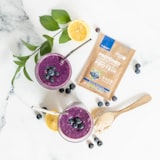
Magnesium is the most evidence-supported mineral for sleep quality. But the form matters enormously. This guide breaks down the clinical evidence, compares every major form, and points you toward the specific products worth buying.
Magnesium is involved in over 300 enzymatic reactions in the human body. Several of these are directly relevant to sleep physiology. First, magnesium is an essential cofactor in GABA (gamma-aminobutyric acid) synthesis and receptor function. GABA is the primary inhibitory neurotransmitter in the central nervous system โ it reduces neural firing and creates the biochemical state of calm and drowsiness necessary for sleep onset. Without adequate magnesium, GABA tone is reduced, leaving the nervous system in a more excitable state.
Second, magnesium regulates the NMDA receptor โ a glutamate receptor that, when overactivated, promotes neural excitation and wakefulness. Magnesium acts as a natural NMDA receptor blocker, reducing excitatory tone in the brain. Low brain magnesium leads to NMDA overactivation, which contributes to hyperarousal โ the neurological pattern underlying stress-driven insomnia.
Third, magnesium is required for melatonin synthesis. The enzyme that converts serotonin to melatonin (AANAT) requires magnesium as a cofactor. Magnesium deficiency can directly impair melatonin production regardless of light exposure.
Clinical evidence is robust: a 2012 double-blind RCT in elderly subjects showed magnesium supplementation significantly improved sleep time, sleep efficiency, and early morning awakening compared to placebo. Multiple subsequent trials confirm these effects across different populations.
The supplement aisle is full of different magnesium forms. Here's how each one performs specifically for sleep โ bioavailability, tolerability, and clinical evidence.
| Form | Bioavailability | Sleep Evidence | Best For | Notes |
|---|---|---|---|---|
| Glycinate (Bisglycinate) | Excellent | Strongest | General sleep, relaxation, anxiety | Best all-around choice. No GI issues. Most recommended form for sleep specifically. |
| L-Threonate (Magtein) | Excellent (brain) | Strong | Sleep + cognitive performance | Crosses blood-brain barrier. Best for sleep AND memory. Premium price point. |
| Malate | Good | Good | Energy + sleep balance | Malic acid supports ATP. Good for people needing daytime energy + nighttime sleep support. |
| Citrate | Good | Moderate | Constipation + general sleep | Well-absorbed. Loose stools at higher doses can be an issue. Good budget option. |
| Taurate | Good | Moderate | Cardiovascular + sleep | Taurine adds calming effect. Good combination for heart health + sleep in older adults. |
| Oxide | Poor (~4%) | Weak | Constipation relief only | Most common in cheap supplements. Negligible absorption for systemic effects. Avoid for sleep. |
| Sulfate (Epsom) | Topical only | Via bath absorption | Bath soaks, muscle relaxation | Transdermal absorption during warm bath may contribute marginally. Not a reliable oral option. |
For most people optimizing specifically for sleep, the choice comes down to these two forms. Here's how to decide.
Start with magnesium glycinate. It has the strongest direct sleep evidence, the best bioavailability-to-cost ratio, and the cleanest side-effect profile. If you also want brain optimization โ particularly overnight memory consolidation and next-day cognitive clarity โ upgrade to L-Threonate or stack both. The combination is the optimal sleep-brain protocol.
These three products represent the best available options across the two most evidence-supported magnesium forms for sleep. All are third-party tested, correctly dosed, and from reputable manufacturers.
Doctor's Best Magnesium Glycinate uses Albionยฎ TRAACSยฎ chelated magnesium glycinate โ the highest-quality chelated magnesium commercially available. The Albion chelation process binds magnesium to glycine amino acid molecules in a true chelate structure, protecting it from competitive absorption interference in the GI tract and delivering 2โ4x higher bioavailability than magnesium oxide. Each serving provides 200mg elemental magnesium (most people take 1โ2 servings per night). Glycine itself has independent clinical evidence for sleep improvement โ it reduces core body temperature and improves subjective sleep quality in trials at 3g doses, providing a secondary benefit beyond the magnesium content. This is the first and most important supplement in any sleep stack โ and Doctor's Best delivers the best formulation at an accessible price.
Jarrow Formulas' MagMind is the most accessible high-quality Magteinยฎ (magnesium L-threonate) product on the market. Magtein is a patented form developed at MIT specifically for its ability to cross the blood-brain barrier โ the selective membrane that limits what substances can reach brain tissue. Standard magnesium supplements largely cannot penetrate this barrier effectively, leaving brain magnesium levels dependent on dietary intake. Clinical studies show Magtein supplementation measurably increases cerebrospinal fluid magnesium concentration, directly modulating NMDA receptor activity, synaptic density, and the neural architecture underlying memory consolidation during sleep. For people who want overnight cognitive restoration alongside improved sleep depth, this is the highest-value premium option available.
ZMA (Zinc Monomethionine, Magnesium Aspartate, Vitamin B6) is the classic sleep and recovery supplement for active individuals. The combination addresses two deficiencies common in exercising adults: zinc (lost through sweat, depleted by intense training) and magnesium (depleted through muscle exertion and sweat). Together, these minerals support testosterone production, SHBG modulation, deep sleep quality, and overnight hormonal restoration โ the conditions for genuine physical recovery. A landmark study in the Journal of Exercise Physiology showed ZMA supplementation significantly increased free testosterone, IGF-1, and sleep quality in competitive athletes over 8 weeks. NOW Foods' ZMA uses zinc monomethionine and magnesium aspartate โ the specific forms used in clinical research โ at clinical doses (11mg zinc / 150mg magnesium per serving for women; 30mg zinc / 450mg magnesium for men).
Timing and dose matter for sleep-specific outcomes. Here's the clinical guidance for each scenario.
Take magnesium 30โ60 minutes before your target sleep time. This allows enough time for absorption and for the GABA-supporting and NMDA-modulating effects to begin. Magnesium glycinate is forgiving on this timing โ even 2 hours before bed is fine.
Clinical trials typically use 200โ400mg elemental magnesium per night. Start at 200mg and increase to 400mg if needed. Loose stools indicate you've exceeded your tolerated dose โ back down and switch forms if this occurs. RDA is 310โ420mg per day total (including dietary sources).
Most people notice improved sleep onset and reduced nighttime waking within the first 1โ2 weeks. Deeper, more restorative sleep quality typically builds over 4โ8 weeks as magnesium status is restored systemically. Effects are cumulative and sustained โ not acute like melatonin.
Doctor's Best Magnesium Glycinate is the highest-evidence, best-value starting point. Most people notice meaningful sleep improvement within the first week.